Cloud Infrastructure Management
Ensure your cloud infrastructure is scalable, secure, and optimized for both performance and cost. Our expert team manages your AWS environment end-to-end.
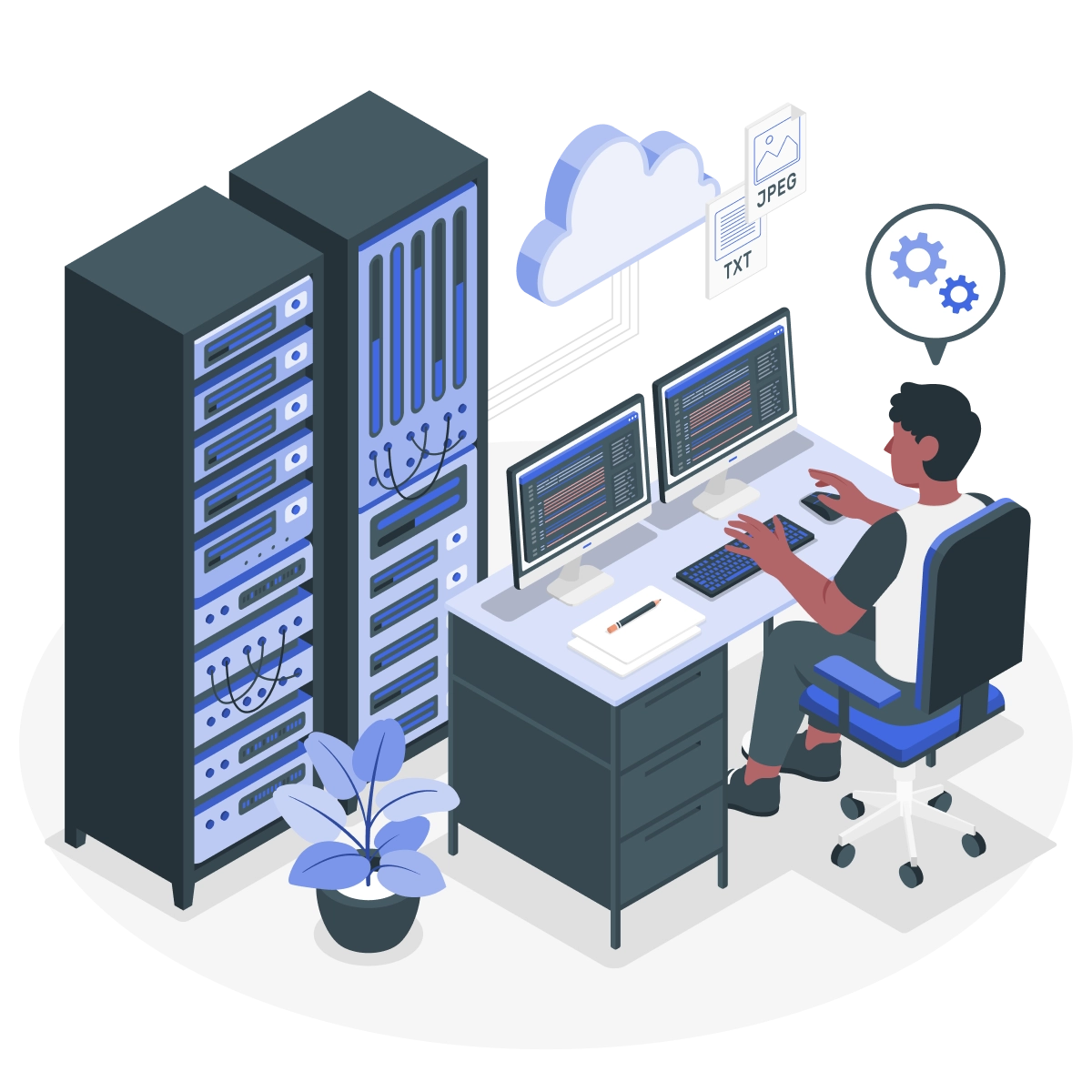
Ensure your cloud infrastructure is scalable, secure, and optimized for both performance and cost. Our expert team manages your AWS environment end-to-end.
Managing AWS cloud infrastructure requires deep expertise, continuous monitoring, and strategic optimization. Without proper management, organizations face runaway costs, security vulnerabilities, performance degradation, and scaling challenges. Professional cloud infrastructure management transforms your AWS environment into a strategic asset.
Proper cloud infrastructure management delivers scalability, security, and cost efficiency
Ensure your applications run at peak performance with properly configured and scaled infrastructure.
Protect your data and systems with security best practices, compliance frameworks, and continuous vulnerability management.
Reduce cloud costs by 30-50% through intelligent resource allocation, right-sizing, and strategic procurement.
Build infrastructure that grows with your business, handling traffic spikes and expansion without disruption.
Build and Scale Your Cloud Foundation
Design and provision AWS infrastructure tailored to your application requirements. Implement auto-scaling policies to automatically adjust capacity based on demand.
Right-Size for Performance and Efficiency
Continuously monitor and optimize resource allocation to match actual usage patterns. Right-size instances, eliminate idle resources, and implement cost-saving strategies.
Reduce Costs Without Sacrificing Performance
Implement comprehensive cost optimization strategies across your AWS environment. Leverage Reserved Instances, Spot Instances, and architectural improvements.
Leverage AWS native services and tools for comprehensive infrastructure management
Infrastructure as Code service for defining and managing AWS infrastructure with templates for repeatable deployments.
Multi-cloud infrastructure provisioning tool for managing AWS resources with version-controlled code.
Comprehensive monitoring and logging service for tracking resource metrics, application performance, and system health.
Service for managing, monitoring, and automating tasks across AWS infrastructure and on-premises resources.
Tool for analyzing and visualizing AWS costs with custom reports and cost trend analysis.
Service for automatically scaling compute, storage, and database resources based on demand.
Real-time guidance tool for optimizing AWS environment for performance, security, and cost efficiency.
Central security and compliance monitoring service providing unified view of security posture across AWS.
Evaluate current AWS infrastructure, identify gaps, inefficiencies, and security risks. Document existing resources and configurations.
Work with your team to understand application needs, performance requirements, and business objectives for cloud infrastructure.
Create comprehensive architecture design with proper VPC setup, security groups, and resource allocation strategies.
Define infrastructure using CloudFormation or Terraform for reproducibility and version control.
Set up CloudWatch for metrics, logging, and alarms. Implement comprehensive monitoring for all resources.
Apply right-sizing strategies, Reserved Instances, and cost controls to optimize cloud spending.
Implement security best practices, configure access controls, and enable security monitoring and compliance tracking.
Continuously monitor performance, costs, and security. Optimize and scale infrastructure based on evolving needs.
Organizations achieve significant improvements in cost, performance, and security
through optimization
with proper architecture
from optimization
with best practices
Let our AWS infrastructure experts design and manage a cloud environment that's scalable, secure, and cost-efficient.