Bug and Issue Detection
We scan your codebase to uncover potential bugs and logic errors, ensuring your application functions smoothly and as intended.
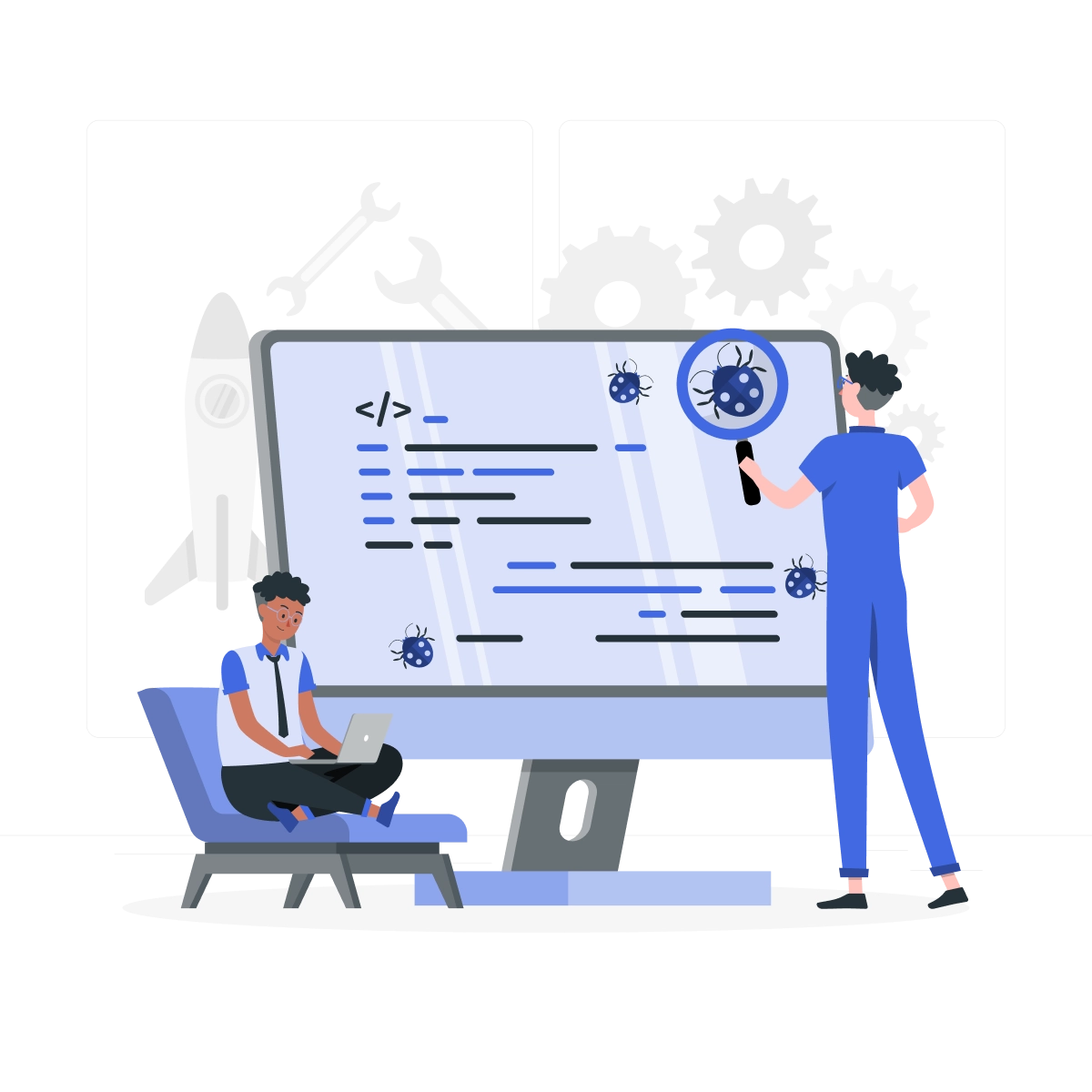
We scan your codebase to uncover potential bugs and logic errors, ensuring your application functions smoothly and as intended.
Bugs and logic errors in code are inevitable during development, but failing to identify and fix them before production can be costly. Undetected issues lead to poor user experiences, damaged reputation, and significant expenses in emergency fixes and support.
Catching bugs early significantly reduces development costs and improves application quality
Catch critical bugs before they reach production and impact your users.
Understand potential issues and weak points in your codebase with detailed analysis.
Resolve issues during development rather than spending time on emergency production fixes.
Fewer production bugs means less time spent on issue investigation and customer support.
Identify Issues Without Running Code
We use advanced static analysis tools to examine your source code without executing it. This approach finds potential bugs, code smells, and vulnerabilities that might be missed in manual review.
Test Behavior During Execution
We execute your code with various test cases and input scenarios to observe runtime behavior. This helps us identify issues that only manifest when the code runs under specific conditions.
Ensure Correctness of Implementation
We thoroughly review the logic flow and algorithms to ensure they correctly implement the intended functionality. Common logic errors like off-by-one errors, incorrect conditionals, and algorithm inefficiencies are identified.
We leverage industry-leading tools for comprehensive bug detection across all major programming languages
Enterprise-grade static analysis for detecting bugs, vulnerabilities, and code smells across multiple languages.
Advanced static and dynamic analysis for identifying security issues and coding errors in complex applications.
JavaScript and TypeScript linters that catch syntax errors, code quality issues, and potential runtime bugs.
Python analysis tools for detecting type errors, undefined variables, and logic issues in Python codebases.
Specialized Java bug detection tools that identify null pointers, resource leaks, and threading issues.
Deep C/C++ analysis for catching memory errors, logic bugs, and security vulnerabilities.
We analyze your entire codebase structure, identify all modules, and determine the most critical areas to focus on for bug detection.
Set up and configure static analysis tools appropriate for your technology stack and coding standards.
Execute multiple analysis passes including static analysis, dynamic testing, and logic verification across all code.
Classify discovered issues by severity, type, and impact. Prioritize critical bugs and security vulnerabilities.
Generate comprehensive reports with code snippets, explanations, and remediation guidance for each identified issue.
Investigate underlying causes of bugs and provide recommendations to prevent similar issues in the future.
Assist your team in implementing fixes and validating that corrections properly resolve identified issues.
Establish processes and tools to prevent similar bugs going forward, including CI/CD integration and continuous monitoring.
Organizations typically see significant improvements in code quality and reliability after comprehensive bug detection
of critical and high-priority bugs found
in production bug fixing expenses
through early issue identification
with automated analysis
Let our code quality experts perform a comprehensive bug and issue detection on your codebase. We'll identify problems before they reach production.